The short answer
A good time for your child’s first dental visit is when their first teeth appear, or by their first birthday. Early visits are short and gentle, and are mostly about getting used to the dentist and checking that teeth are coming through well.
Why baby teeth matter
Baby teeth help children eat, speak and smile, and they hold space for adult teeth. Decay in baby teeth can cause pain and infection, so looking after them from the start makes a difference.
How to prepare your child
- Talk about the visit in simple, positive words
- Read a picture book or play “dentist” at home
- Book a time when your child is usually rested and fed
- Tell us when you book if your child is nervous
What happens on the day
- Your child can sit on your lap or in the chair
- The dentist has a gentle look and counts their teeth
- We check how teeth and jaws are developing
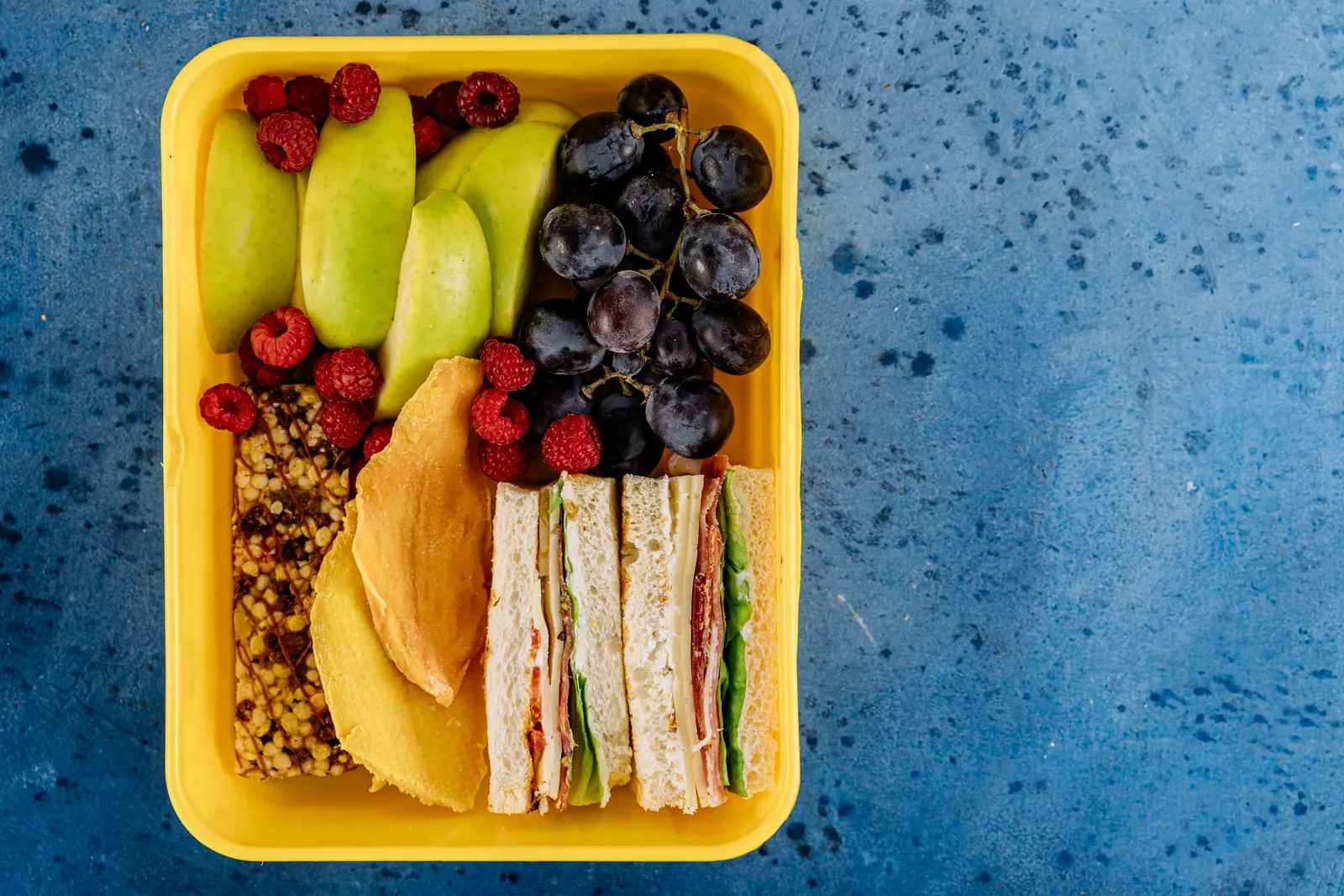
- We share tips on brushing, bottles, snacks and drinks
Tips for healthy baby teeth
- Clean teeth twice a day as soon as they appear
- Under 18 months: clean teeth with a soft brush and water, with no toothpaste unless your dentist advises it
- From 18 months to 6 years: use a pea-sized amount of low-fluoride children’s toothpaste
- Teach your child to spit out the toothpaste, not rinse
- Don’t put your baby to bed with a bottle of milk or juice
- Offer water between meals instead of sweet drinks
Help with costs
Some families may be eligible for the Child Dental Benefits Schedule, a Medicare program that covers basic dental services for eligible children aged 0 to 17. You can check eligibility with Services Australia.
Common questions
That’s common and fine. Early visits go at your child’s pace. Even sitting in the chair and meeting the dentist is a useful first step.
Yes. Parents and carers are welcome to stay with their child for the whole appointment.
This article is general information, not advice for your situation. Please see a dentist for advice about your teeth.