
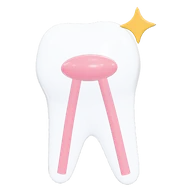
Root canal treatment in Wheelers Hill
Star Smiles Dental Centre in Wheelers Hill provides root canal treatment, which removes infected or inflamed tissue from inside a tooth so the tooth can be kept.
Inside each tooth is soft tissue called the pulp. Deep decay, a crack or an injury can let bacteria reach it, causing pain or infection. Root canal treatment cleans and seals the inside of the tooth.
Signs a tooth may need root canal treatment
- Toothache that lingers or wakes you at night
- Long-lasting sensitivity to hot or cold
- Swelling or tenderness in the gum near a tooth
- A tooth that has darkened after an injury
What the treatment involves
The tooth is numbed, the infected tissue is removed, and the canals are cleaned, shaped and sealed. Treatment usually takes two or more visits. Many teeth need a crown afterwards to protect them.
Why keep the tooth
Keeping your own tooth helps you chew normally and stops nearby teeth moving. Your dentist will also talk you through other options, including removing the tooth.
What to expect
Your visit, step by step
- 1
Your dentist examines the tooth and takes x-rays
- 2
We explain the options, the number of visits and the cost
- 3
The tooth is numbed and the inside is cleaned and sealed
- 4
A filling or crown protects the tooth afterwards
Your dentist explains your options and costs before any treatment starts. Questions? Call (03) 9562 0675
Please note: Any surgical or invasive procedure carries risks. Before proceeding, you should seek a second opinion from an appropriately qualified health practitioner.
Helpful reading


Questions
Answers before you book.
The tooth is numbed during treatment. Many people feel relief afterwards because the source of the pain has been removed. Some tenderness for a few days is common.
Usually two or more. Your dentist will tell you what to expect for your tooth.
Back teeth often need a crown after root canal treatment to protect them from cracking. Your dentist will explain whether your tooth does.
Call us on (03) 9562 0675 as early in the day as you can and we will find the earliest time we can see you.