
Crowns and bridges in Wheelers Hill
Star Smiles Dental Centre in Wheelers Hill makes dental crowns to cover and protect weak or broken teeth, and bridges to replace one or more missing teeth.
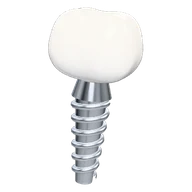
A crown is a cap that covers a tooth to restore its shape and strength. A bridge fills a gap by joining a false tooth to the teeth on either side, or to implants.
When a crown may help
- A tooth with a large, failing filling
- A cracked or broken tooth
- A back tooth after root canal treatment
- A discoloured or misshapen tooth
When a bridge may help
A bridge can replace a missing tooth when the teeth next to the gap are healthy enough to support it. Your dentist will compare a bridge with other options, such as an implant or a denture.
Looking after crowns and bridges
Brush and floss as usual, and use a floss threader or small brush under a bridge. Regular check-ups help them last.
What to expect
Your visit, step by step
- 1
Your dentist examines the tooth or gap and explains the options
- 2
The tooth is shaped and a mould or scan is taken
- 3
A temporary crown protects the tooth while yours is made
- 4
The final crown or bridge is fitted and adjusted to your bite
Your dentist explains your options and costs before any treatment starts. Questions? Call (03) 9562 0675
Technology we may use: a digital intraoral scanner. About our technology

Please note: Any surgical or invasive procedure carries risks. Before proceeding, you should seek a second opinion from an appropriately qualified health practitioner.
Helpful reading
Questions
Answers before you book.
Usually two: one to prepare the tooth and one to fit the final crown.
Common materials include porcelain and ceramic, sometimes over metal. Your dentist will recommend a material for the tooth’s position and your bite.
Crowns are shaped and coloured to suit your other teeth.
It depends on your teeth, gums, bone and preferences. Your dentist will talk through the pros, cons and costs of each.