The short answer
The three main ways to replace a missing tooth are a dental implant, a bridge or a denture. An implant replaces the root and stands on its own, a bridge is supported by the teeth next to the gap, and a denture is removable. The right choice depends on your teeth, gums, bone, health and budget.
Why replace a missing tooth?
A gap can make it harder to chew and can affect how you feel about your smile. Over time, nearby teeth can lean into the space and the opposite tooth can drift, which may change your bite.
Dental implant
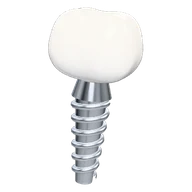
A small titanium post is placed in the jaw bone, where it acts like a tooth root. Once it has healed, a crown is attached. Implants don’t rely on the teeth next to them, but they need healthy gums and enough bone, and treatment takes several months.
Bridge
A bridge fills a gap by joining a false tooth to crowns on the teeth either side. It is fixed in place and usually takes two or three visits. The supporting teeth need to be healthy enough, and they are shaped to hold the crowns.
Denture
A denture is a removable plate with one or more false teeth. It is usually the quickest and simplest option and can replace several teeth at once. Some people find dentures take time to get used to.
Questions to ask your dentist
- Which options suit my teeth, gums and bone?
- How many visits will it take, and over how long?
- How do I look after it, and how long might it last?
- What will it cost, and are payment options available?
- What are the risks and the alternatives?
Common questions
Not always. Implants suit many people, but a bridge or denture may suit you better depending on your health, bone, the teeth nearby and your preferences. Your dentist will explain the options.
Usually several months from assessment to the final tooth, because the implant needs time to bond with the bone.
This article is general information, not advice for your situation. Please see a dentist for advice about your teeth.